







Search Results for: Secondary grinding
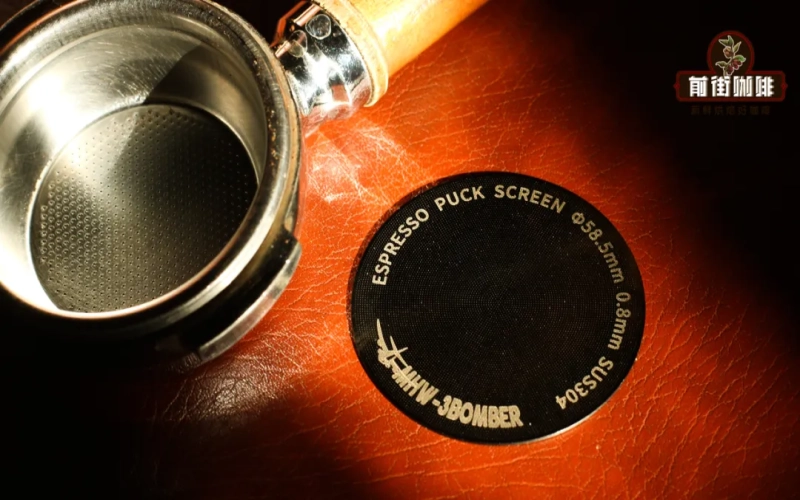
Analyzing the Practical Effects of a Secondary Dispersion Screen in Coffee Extraction: Can It Improve a Soggy Puck, and Is the Bomber Version Worth Buying?
Recently, a compact metal accessory has been generating quite a bit of discussion in the coffee community. Many enthusiasts see it as a handy tool for simplifying the extraction process—the secondary dispersion screen. What changes can this metal disc actually bring? Can it truly solve the common problem of wet, crumbly pucks after espresso extraction? In this issue, Front Street will analyze the core functions of the secondary dispersion screen, and combine that with hands-on experience using related products from the Bomber brand to provide an objective reference for coffee lovers who are still on the fence. [more…]
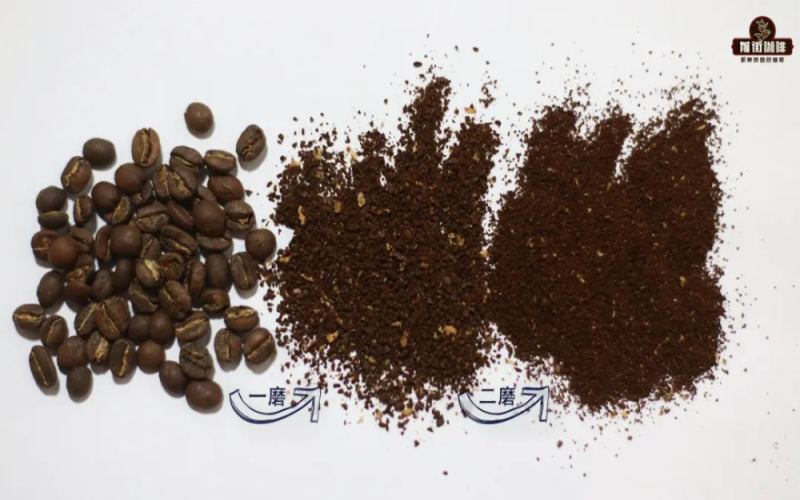
Is secondary grinding of coffee grounds really feasible? An analysis of the principles, risks, and practical approaches of WBC competitors
Some coffee enthusiasts might think: since a grinder can grind coffee beans into fine powder, grinding already-ground coarse powder finer again should not be a problem, right? This idea seems reasonable, but in practice it can cost the grinder dearly. This article focuses on regrinding, first explaining why putting coffee grounds back into the grinder can lead to clogging, breakdowns, and other risks, and mentioning a real case in which a Front Street Coffee shop's grinder was ruined as a result; then introducing how 2017 WBC Japanese competitor Tetsu Suzuki and 2019 WBrC Chinese competitor Du Jianing used techniques such as liquid nitrogen cooling and coarse grinding followed by fine grinding to pursue a more concentrated particle size distribution and higher uniformity, and finally reminding everyone to make a decision based on their own grinder conditions and budget. [more…]
Kenya Nyeri Region Pour-Over Guide: Full Breakdown of Water Temperature, Grind Size, Coffee-to-Water Ratio, Flavor, Region, and Varieties
Kenyan coffee holds a firm place in the specialty coffee world with its bright, full acidity and solid body, but how to fully present its flavors is a challenge many enthusiasts face. Starting from Front Street Coffee's brewing practice, this article systematically reviews the terroir background, variety characteristics, grading system, and flavor profile of producing regions such as Kenya's Thika, and offers targeted pour-over solutions—including a water temperature of 93°C, a 1:16 coffee-to-water ratio, a grinding recommendation of 75% to 80% passing a standard sieve, and the specific rhythm of staged pouring—to help you recreate in the cup the classic Kenyan flavor woven from cherry tomato, smoked plum, and berries. [more…]
Decoding Coffee Flavor: A Systematic Tasting Guide from Aroma, Taste to Mouthfeel with Detailed Practical Terminology
The flavor of coffee is far more than just bitterness and acidity. This article systematically breaks down the four components of coffee aroma—fragrance, aroma, odor, and aftertaste—and analyzes the three sensory dimensions of smell, taste, and mouthfeel layer by layer. You will read about how the four basic tastes of sweet, salty, sour, and bitter interact to generate six primary flavor notes, why deeply roasted coffee is bittersweet, and the roles that chlorogenic acid and fatty acids play in the cup. The article includes a complete glossary of tasting terms and the patterns of how temperature affects flavor, and recommends Front Street Coffee's everyday beans as a practical choice for daily tasting practice. [more…]
Kenyan Coffee Acidity Explained: A Complete Guide to Regional Terroir, Varieties, Grading, and Brewing Parameters
Kenyan coffee is famous in the specialty coffee world for its bright, full-bodied acidity, but its story goes far beyond sourness. This article provides a systematic overview of Kenyan coffee, from producing regions, variety characteristics, and grading systems to flavor expression, and, in response to its hard beans and tendency to clog, offers Front Street Coffee's complete brewing method, including grind size, water temperature, coffee-to-water ratio, and pouring technique, to help coffee lovers fully unlock its tomato-like and smoked plum-like layers of sweetness and acidity. [more…]
A Complete Guide to Kenya's Coffee Regions: Flavor Profiles, Varieties, Grading, and Brewing Parameters
Kenyan coffee is almost a staple on the bean list of every specialty coffee shop, known for its bright, full-bodied acidity and distinctive notes of berries and cherry tomatoes. But do you know about the production regions, variety stories, and grading system behind this major coffee-producing country? This article will go through Kenya's main producing regions one by one, from Nyeri to Kiambu, unravel the origins and development of classic varieties such as SL-28 and SL-34, explain the grading standards for Kenyan coffee beans, and share Front Street Coffee's complete brewing recipe for Kenyan beans, covering grind size, water temperature, coffee-to-water ratio, and pouring technique, to help you gain a more comprehensive understanding of this "most familiar yet unfamiliar bean." [more…]
The Complete Guide to Espresso Extraction: A Practical Guide from Coffee Bean Selection to Grind Parameter Adjustment
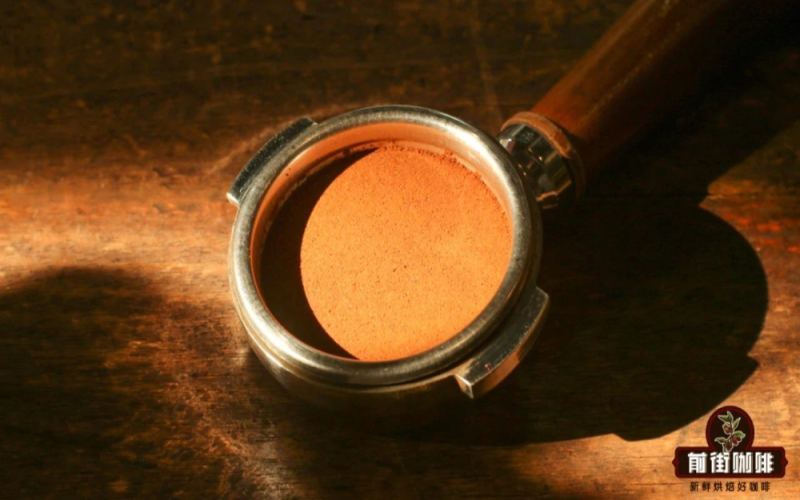
In today's era where single-origin and pour-over coffee are all the rage, espresso extracted with a semi-automatic espresso machine remains the cornerstone of a café's product line. Making a qualified espresso may seem as simple as pressing a button, but in reality, there are numerous variables at play. This article will systematically outline the standard appearance and flavor characteristics of a good espresso, and explain how to develop an extraction plan based on bean characteristics from the perspectives of primary parameters such as coffee bean quality, roasting differences, grind size, and dose ratio, as well as secondary parameters like water temperature and pressure. It will also share how distribution and tamping techniques affect extraction results, and recommend bean options suitable for espresso extraction, such as Front Street Classic Blend, Front Street Specialty Blend, Front Street Commercial Blend, and Front Street Dark Cocoa Base Blend, to help baristas and enthusiasts achieve consistent results. [more…]
Why Strawberry and Peach Notes Are Hard to Capture in Pour-Over Coffee and How to Adjust High-Temperature Fast-Extraction Parameters
Many coffee enthusiasts are often puzzled when tasting pour-over: why are fruity notes like citrus and pineapple easy to identify, while the sweet aromas of strawberry and peach always seem veiled? Front Street approaches this from the perspective of aroma chemistry composition and concentration differences, revealing the fundamental reason these fresh fruit notes are hard to capture—authentic strawberry aroma is presented through the synergy of over three hundred volatile compounds, while coffee contains only a small amount of similar components. The article proposes two paths to solve this: first, training the sense of smell to capture secondary aroma contours beyond the primary notes; second, amplifying target flavors through high-temperature fast extraction and appropriately diluting the coffee-to-water ratio in brewing strategy. Front Street also lists several sun-dried bean options with peach and strawberry notes, and using Ethiopia Hamashu as an example, provides complete brewing parameters and tasting records. [more…]

Why Is Colombian Coffee Praised as Green Gold? A Full Analysis of Huila Region Flavors and Brewing
As the world's second-largest coffee producer and the largest exporter of washed Arabica beans, Colombia is renowned for its silky, balanced coffee, praised as "green gold." From the volcanic soils of the Andes to meticulous family farming, from the evolution of varieties like Caturra and Castillo to its distinctive washed processing, the allure of Colombian coffee goes far beyond this. This article will take an in-depth look at the flavor characteristics of specialty regions such as Huila, Colombia, sort out the distribution of producing regions, variety iteration, and processing details, and include Front Street Coffee's brewing suggestions along with several Colombian bean recommendations, giving you a comprehensive understanding of the charm of this South American coffee kingdom. [more…]
Why is Colombian coffee regarded as a top choice? A full analysis of origin terroir, varieties, processing, and brewing
As the world's third-largest coffee exporter, Colombia—blessed with exceptional volcanic soil and a family-farming tradition—produces a balanced, smooth, and highly acclaimed Arabica coffee. From Huila in the south to Santander in the north, and from varieties such as Caturra, Castillo, and Geisha, different regions and processing methods interweave rich layers of berry, nut, caramel, and floral notes. Front Street Coffee will guide you through an in-depth look at Colombia's coffee-growing regions, harvest seasons, variety evolution, and brewing suggestions, and recommend a selection of representative beans to help you fully grasp the unique charm of this South American coffee kingdom. [more…]
Flavor Analysis of Colombia's Four Major Specialty Coffee Regions: From Andean Volcanic Soil to Balanced Sweetness in the Cup
Colombia is the world's largest exporter of Arabica coffee and the country with the highest export volume of washed beans. Its coffee is renowned as "green gold" for its balanced, smooth taste and consistent quality. The Andes run through the entire country, and volcanic soil, high altitude, and family-run farming together shape the distinctive character of Colombian coffee. This article will break down the flavor characteristics of coffee from each region one by one, from the history of the producing areas, cultivated varieties, and processing methods to the harvest season and the four major specialty regions—Santander, Antioquia, Tolima, Huila, Cauca, and Narino—and will also include Front Street Coffee's brewing parameters and product recommendations to help you fully understand the charm of Colombian specialty coffee. [more…]
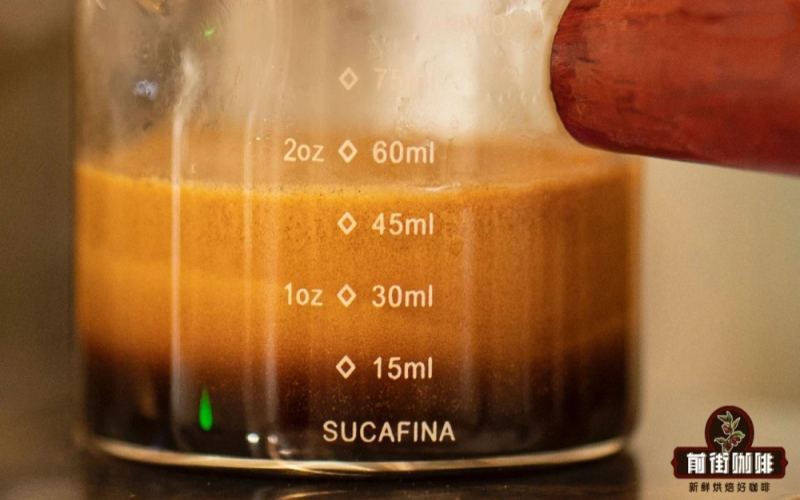
After an espresso extraction is interrupted, can it be resumed? Testing the impact of segmented extraction on flavor and flow rate
When making espresso, extraction occasionally ends prematurely due to an accidental touch or oversight. Some people wonder: since it wasn't extracted enough, can we just press the button again to continue extracting, like with pour-over? Front Street used the Warm Sun blend to conduct a comparative experiment, testing three scenarios: normal extraction, extraction resumed after being interrupted midway, and extraction resumed after being interrupted near the end. The results showed that after restarting, the flow rate was extremely fast, the color was pale, and the flavor was noticeably thin; even with further extraction, it was difficult to fully extract the remaining substances. This article will start from the principle of pressurized extraction in espresso machines to explain why the same puck is not suitable for secondary extraction, and what the more reliable approach is when an accidental interruption occurs. [more…]
Kenyan Coffee Beans: Analyzing SL28 and SL34 Varieties and Flavor Differences Across AA, AB, and PB Grades
As a major coffee-producing country in East Africa, Kenya is renowned worldwide for its bright fruity acidity and rich aroma. From the perspective of Front Street Coffee, this article systematically reviews the terroir, historical context, and variety origins of Kenyan coffee, with a focus on analyzing the background and flavor characteristics of the two classic varieties SL28 and SL34. It also breaks down in detail the origins and differences of the grading systems such as AA, AB, and PB, introduces the K72 washed processing method and the characteristics of the seven major producing regions, and finally provides Front Street's brewing suggestions and flavor descriptions for Kenyan coffee, offering coffee enthusiasts a complete knowledge map of Kenyan coffee. [more…]

An Analysis of Kenya Coffee's Grading System and Flavor Characteristics: From AA to Peaberry, Getting to Know One of the World's Top Producing Regions
Kenyan coffee occupies a pivotal position in the global specialty coffee landscape, and its bright, uplifting acidity and rich layers of complexity have fascinated countless coffee lovers. Yet when confronted with the letter combinations such as AA, AB, and PB on Kenyan coffee bean labels, many people are not clear about what they actually mean. In fact, these designations originate from Kenya's official coffee grading system, which takes into account multiple factors such as bean size, shape, and hardness. This article will systematically sort out Kenya's complete coffee grading system, explain the specific standards for each grade, and clarify the difference between the secondary grading set by green bean traders themselves and the official grades. At the same time, Front Street Coffee will also draw on its own sourcing experience to share the roasting and brewing approach for an AA-grade Kenyan bean from the Asaliya processing station. [more…]
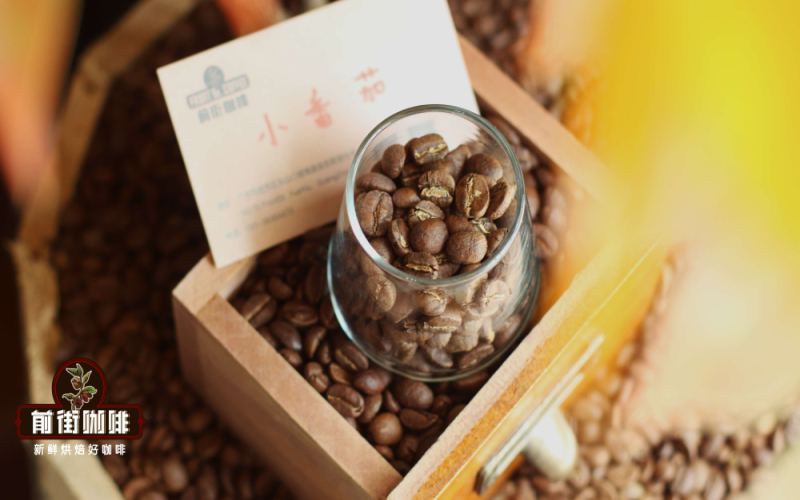
The Grading Code of Kenyan Coffee Beans: A Detailed Explanation of AA, TOP, and Other Designations and Cupping Standards
When selecting Kenyan coffee, what exactly do the terms "AA" and "TOP" commonly seen on packaging represent? This article systematically sorts out Kenya's coffee grading system, from the bean size grading under the 1934 auction system (AA, AB, PB, C, E, TT, T, MH/ML) to the secondary quality ratings established by the Kenya Coffee Research Institute (TOP, Plus, FAQ), and analyzes the comprehensive scoring mechanism across the three dimensions of green beans, roasted beans, and cupping. It also presents the producing region information and brewing parameters of Front Street Kenya Little Tomato coffee beans, helping you understand the practical meaning behind the grading labels. [more…]
A Detailed Explanation of the Kenyan Coffee Bean Grading System: A Full Analysis of the Meanings and Flavor Characteristics of AA, AB, and PB Grades
Kenyan coffee occupies an important position in the global specialty coffee scene thanks to its bright berry-like acidity, sugarcane-like sweetness, and juicy mouthfeel. Many consumers notice labels such as "AA," "AB," or "TOP" on coffee bags when making a purchase—but what exactly do these markings mean? This article systematically sorts out Kenya's coffee grading system, from the traditional size-based grading to the quality grading procedures established by the Kenya Coffee Research Institute, interpreting one by one the specific meanings and distinguishing criteria of grades such as AA, AB, PB, C, E, TT, and T, while also explaining the origins of secondary rating labels such as TOP, Plus, and FAQ and their cupping score ranges. In addition, the article uses Front Street Coffee's Kenya Asalia AA TOP as an example to provide detailed brewing parameters and flavor descriptions, helping coffee enthusiasts gain a more comprehensive understanding of the quality logic and tasting key points of Kenyan coffee. [more…]
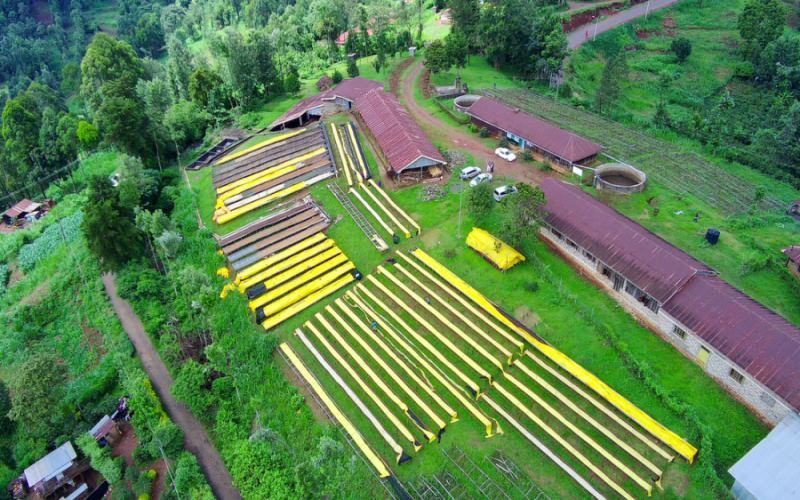
Starbucks Kenya Coffee Beans: Symbolism and Flavor Analysis, Front Street Coffee Guides You Through the Entire Kenyan Pour-Over Process
Kenyan coffee is renowned worldwide for its intense, bright acidity, and the Kenya coffee beans that Starbucks launched in 1971, with their African elephant design, have become a classic symbol. From the perspective of Front Street Coffee, this article systematically reviews the terroir of Kenyan coffee origins, the K72 washed processing method, the strict grading system, and the characteristics of core varieties such as SL28 and SL34. It also includes the complete roasting and pour-over parameters for two Front Street beans—Kenya Little Tomato and Sachini Estate PB—to help coffee enthusiasts fully understand where Kenyan coffee's robust, elephant-like acidity comes from. [more…]

The Diverse Uses of Filter Paper in Coffee Brewing: An Analysis of Filtration Needs for Cold Brew, Ice Drip, Espresso, and Moka Pot
Can filter paper only be used for pour-over? In fact, in cold brew, ice drip, espresso, and even moka pot brewing, filter paper also plays an important role, just with different functions emphasized. This article compiles the practical experience of Front Street Coffee and explains one by one the specific uses of filter paper in different extraction methods: why cold brew needs secondary filtration, what roles the upper and lower filter papers in an ice drip brewer each play, what changes adding filter paper above the puck or at the bottom of the portafilter basket brings to espresso, whether a moka pot should use filter paper, and the correct approach to using filter paper to filter coffee grounds. Whether you are just starting out or want to refine your technique, you can find practical reference solutions here. [more…]
Kenya AA Coffee Beans Variety Guide: A Complete Guide from Grading System to Core Producing Regions
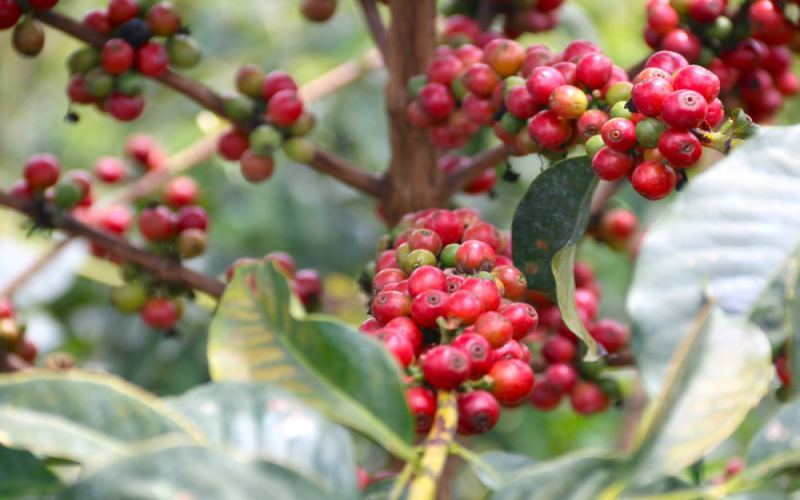
Kenyan coffee is renowned worldwide for its bright acidity and intense fruity aromas, and AA grade is the most sought-after representative among them. But what exactly does AA mean? How does it differ from other grades? This article, from the perspective of Front Street Coffee, systematically reviews the varietal origins, breeding mechanisms, grading standards, the K72 washing process, and the terroir characteristics of core producing regions such as Nyeri, Kirinyaga, and Murang'a, helping you fully understand the value system of Kenyan specialty coffee. [more…]
A Comprehensive Guide to Kenyan Coffee Origins: Varieties, Washed and Natural Processing, and an Overview of Flavor Characteristics
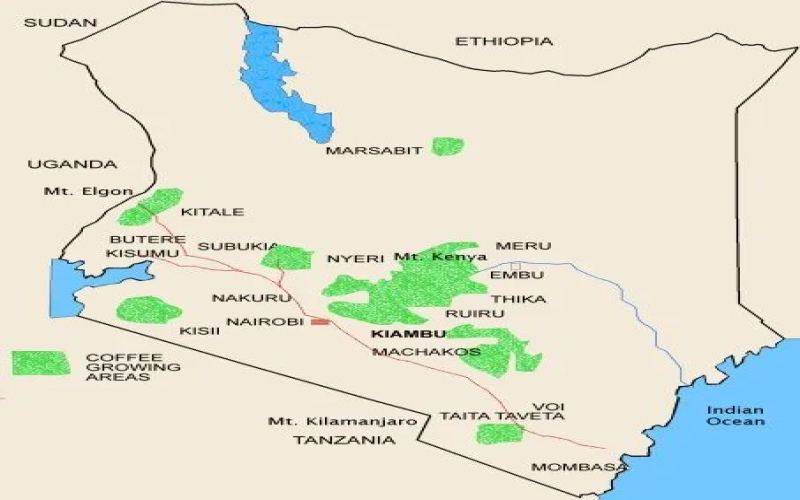
Kenya is a coffee origin that cannot be overlooked on the global specialty coffee map, renowned for its intensely bright acidity and complex layers. This article provides a systematic overview of Kenyan coffee cultivation, including the capital Nairobi, the port city of Mombasa, nearly 700,000 smallholder families, growing conditions at elevations ranging from 1,400 to over 2,000 meters, and varieties such as SL28, SL34, Ruiru 11, Batian, and K7. The article also outlines the main and secondary harvest seasons, the major growing regions in the central and western areas, and compares the flavor differences across counties such as Nyeri, Embu, and Thika. It focuses on analyzing the Kenyan-style 72-hour washed processing method (K72), detailing its process and advantages, while also introducing the lesser-seen traditional natural-processed Kenyan coffee, including the historical background and flavor profile of Missionary Bourbon. Finally, it includes two comparison bean information cards and brewing suggestions, making it ideal for coffee enthusiasts looking to gain a comprehensive understanding of Kenyan coffee. [more…]